
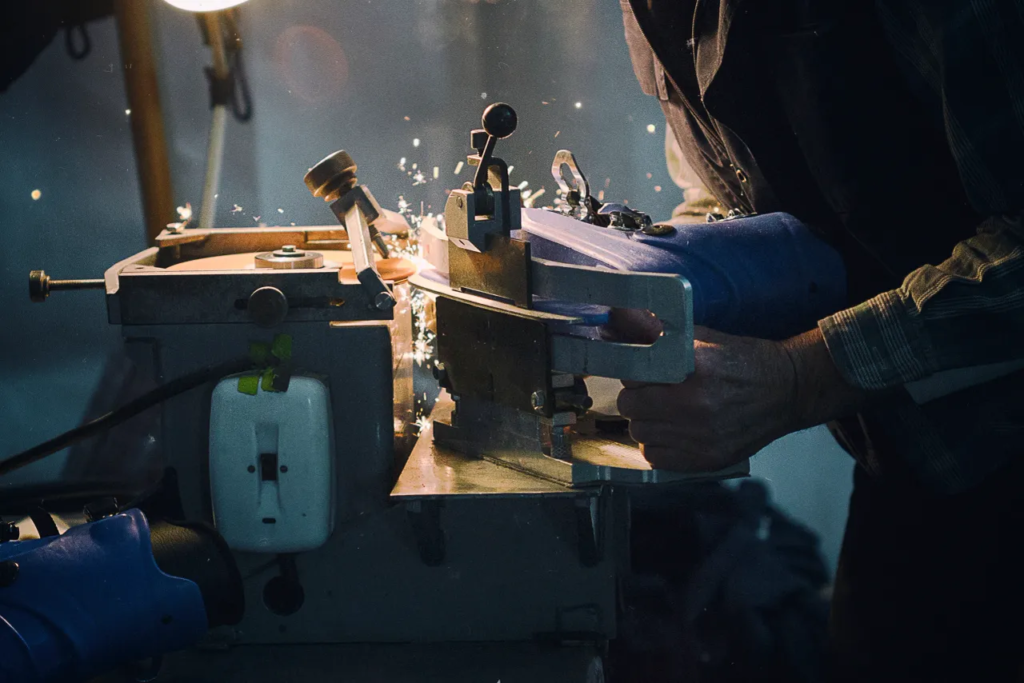
Cutting-Edge Solutions in Modern Manufacturing
Abrasive machines are a cornerstone in today’s dynamic manufacturing landscape, offering powerful processing capabilities that elevate production efficiency in diverse industries. Today, high-precision tools play an essential role in sectors such as automotive, aerospace, and metal fabrication, where reliable surface treatments and deburring processes are critical for ensuring top-quality products. Manufacturers in local production hubs appreciate how these machines streamline workflows, reduce waste, and deliver consistent, professional finishes.
This introduction provides a sneak peek into the essential functions of abrasive technology, setting the stage for actionable insights and practical tips. In this guide, you’ll learn:
- How precision engineering enhances operational productivity
- Techniques for optimal machine maintenance and performance
- Strategies for selecting the right abrasive tools for specific challenges
As industries evolve and production demands heighten, understanding the practical benefits of abrasive machines is key to optimizing output. With this foundation, you’re ready to explore a deep dive into expert tips and innovative practices that can transform your manufacturing processes, ensuring efficiency and quality in every application.
Uncovering the Power of Abrasive Machines
Abrasive machines are essential tools in modern manufacturing and metal finishing, offering versatile solutions for surface treatment. These machines cater to various applications—from smoothing surfaces and deburring metal edges to preparing materials for coating. Understanding the differences among machine types is key to optimizing operational performance and ensuring high-quality outcomes.
Different abrasive machines serve distinct purposes:
- Belt Sanders: Ideal for rapid material removal and achieving uniform surface finishes.
- Flap Discs: Preferred for their durability and efficiency in cleaning and blending operations.
- Grinding Machines: Perfect for precision shaping and edge refinement.
Each machine type demands specific handling techniques and technical know-how, especially when used for complex tasks in both local production facilities and broader industrial settings. Operators benefit from regular maintenance practices, tailored adjustment protocols, and an understanding of tool compatibility with various raw materials to maximize efficiency. This practical guide is designed to empower users with actionable insights and expert tips, ensuring that every task is approached with confidence and clarity.
Innovative Production Lines: Enhancing Flap Disc Manufacturing
Understanding the intricacies of flap disc production lines is essential for achieving optimal performance in abrasive tool manufacturing. Flap discs are at the forefront of abrasive technology, and their production hinges on precision engineering and meticulous quality control. Manufacturers typically focus on integrating advanced automation and material handling systems to ensure that each disc delivers consistent performance and durability.
Key elements in an efficient production line include:
- Automated Material Feeding: Reduces human error and ensures uniform material distribution.
- Precision Cutting Mechanisms: Essential for achieving the ideal disc profile and abrasive grain exposure.
- Quality Control Stations: Implemented at crucial stages to catch defects early, thereby enhancing overall product quality.
Manufacturers operating in industrial hubs can benefit from proximity to suppliers and skilled labor, which is vital for sustained production excellence. By continuously refining these processes, industry professionals can troubleshoot common challenges such as inconsistent thickness or rough finishes. This not only boosts product longevity but also enhances operational efficiency, making the production line more resilient and adaptable to market demands. Embracing these streamlined production methods will pave the way for innovation and quality in abrasive tool manufacturing.
Discover Your Requirements
Kick off your selection process by assessing your operational needs. Start by determining the types of abrasive materials you work with, the required production speed, and the desired finish quality.
- Analyze Your Applications: Consider the specific tasks—whether it’s polishing, deburring, or surface finishing. Write down key performance metrics and quality expectations.
- Define Operational Settings: Review your workspace conditions, including available power supply and spatial constraints. Note any local compliance standards relevant to your area.
- Compare Machine Features: Focus on machine durability, ease of maintenance, and automation levels. Evaluate safety features and ergonomic design.
- Request Expert Consultations: Engage with technical support to clarify any uncertainties about different models. Discuss customization options that match your production volume and material type.
Tip: Document your comparisons to streamline your decision-making process. This sequential approach will enable you to align your operational goals with the right abrasive machine, ensuring efficient workflows and high-quality outcomes. By following these actionable steps, you can confidently choose equipment that boosts productivity in your local operations.
Frequently Asked Questions
Q1: What are abrasive machines used for? A: Abrasive machines are designed to smooth and finish surfaces by removing material effectively. They are essential in various industrial settings, including manufacturing and metalworking, ensuring precise surface finishes.
Q2: How do I choose the right abrasive machine for my production line? A: Consider factors such as material type, production volume, and specific application needs. Evaluate machine capacity and compatibility with your existing equipment to optimize output.
Q3: What makes flap disc production crucial in surface finishing? A: Flap discs offer consistent performance by combining abrasives and backing in one tool. This design results in improved durability and efficiency, ensuring high-quality finishes on diverse surfaces.
Q4: How do abrasive machines improve material removal? A: They deliver uniform abrasion, reducing processing time and enhancing finish quality. Their robust construction minimizes downtime and boosts overall production efficiency.
Q5: What maintenance practices extend machine longevity? A: Regular cleaning, timely part replacement, and routine inspection are key. Always follow manufacturer guidelines for optimal performance.
Q6: Are there specific safety guidelines for operating abrasive machinery? A: Yes, always wear appropriate protective gear, follow operational protocols, and ensure proper machine setup to reduce risks.
Conclusion: Empowering Your Manufacturing Journey
In wrapping up, it’s clear that leveraging the right abrasive tools is a game-changer for achieving optimal manufacturing efficiency. As manufacturing processes become more competitive, investing in advanced abrasive machines can streamline production, reduce downtime, and ensure precision in every operation. Embracing modern solutions not only enhances productivity but also elevates product quality, allowing your facility to meet stringent industry standards.
Key takeaways include:
- Evaluating your current machining processes to identify opportunities for improvement.
- Integrating innovative abrasive solutions that align with your production needs.
- Keeping up with local industry advancements and networking with regional experts for tailored insights.
Next steps involve a thorough analysis of your toolset, exploring new technologies, and implementing proven techniques that deliver measurable performance gains. By taking these actionable steps, you can drive efficiency upgrades that benefit both cost structure and operational reliability. Empower your team to make data-driven decisions and realize the long-term value of investing in the right abrasive equipment. Your journey toward enhanced manufacturing excellence starts now.